

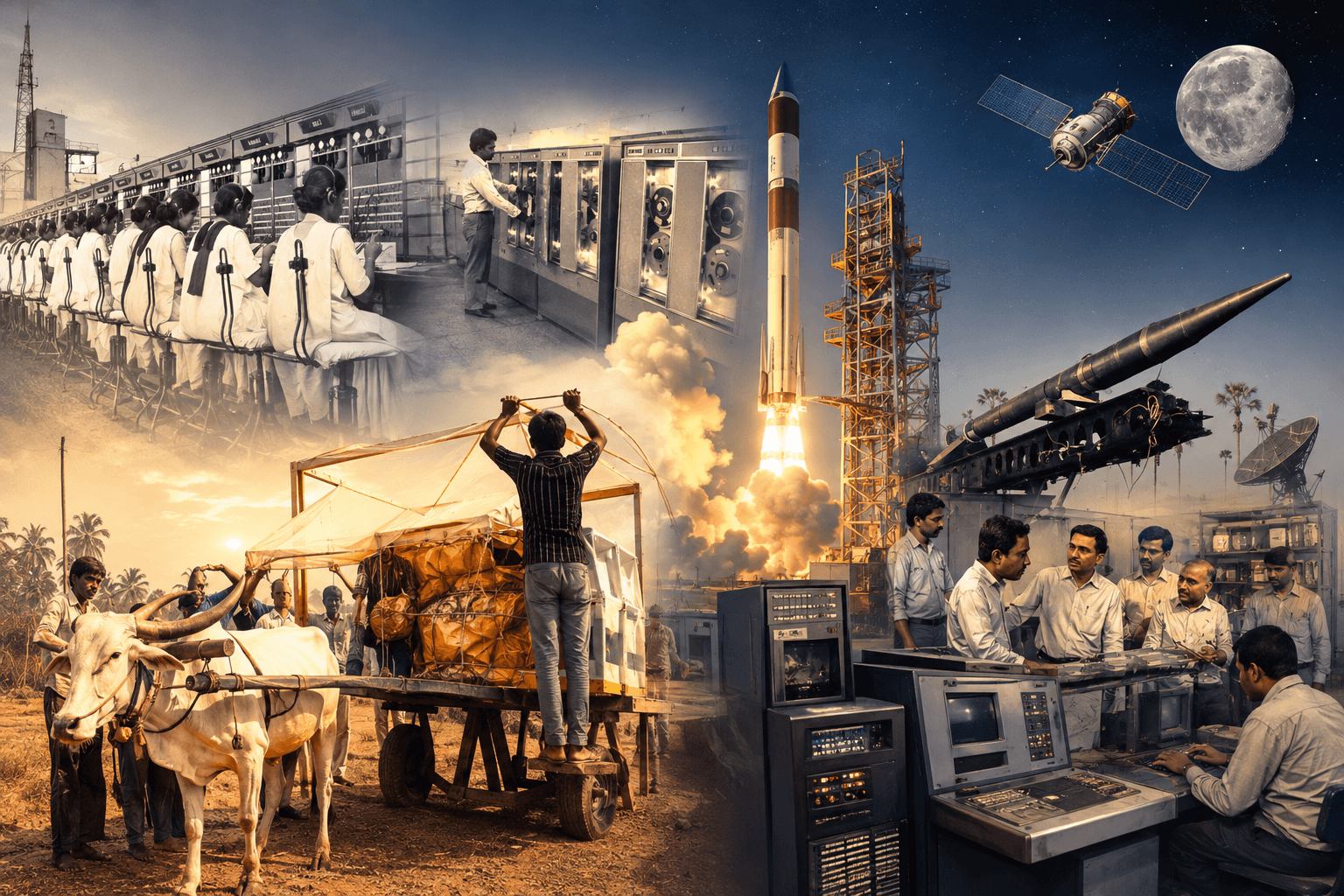
When India became independent in 1947, it had almost no modern research base, patchy electricity, and a workforce that was overwhelmingly rural and agrarian. Fast forward to today, and the same country designs its own satellites, runs the world’s largest digital payments network, and has landed a spacecraft where no one else has. That leap didn’t happen in one big moment — it happened in stages, each building on the one before it.
Here are 12 milestones that trace how India went from importing almost everything to exporting some of the world’s most-used technology.
Stay Connected · Headline8
Get breaking news instantly — follow our official channels
1. The Institution-Building Years (1947–1964)
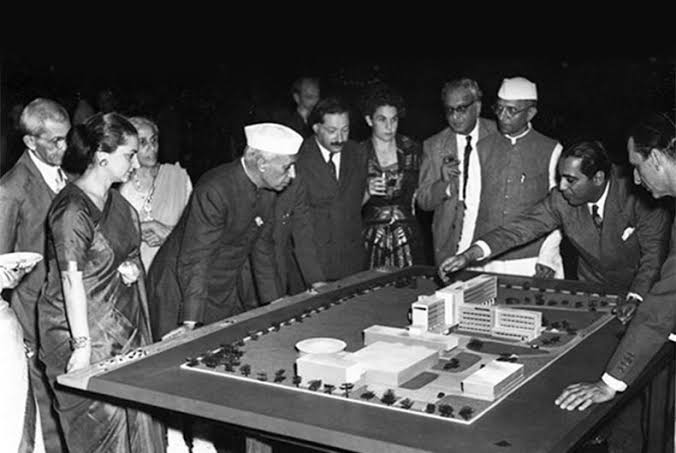
Before India could build technology, it had to build the places that build technology. This was the least glamorous but arguably the most important phase of the entire journey.
- The Atomic Energy Commission was set up in 1948 under Homi J. Bhabha, laying the groundwork for India’s nuclear programme decades before it would test a weapon.
- IIT Kharagpur opened its doors in 1951 — the first of what would become a globally recognised network of engineering institutes.
- The CSIR laboratory system expanded rapidly, pushing research into chemicals, medicine, materials and engineering.
- India’s first electronic computer, the HEC-2M, was installed at the Indian Statistical Institute in Kolkata in 1955.
India’s first real technological “achievement” wasn’t a gadget — it was infrastructure for thinking. Without universities, labs and trained engineers, none of what came later would have been possible.
2. The Green Revolution — Technology That Fed a Nation (1960s–70s)
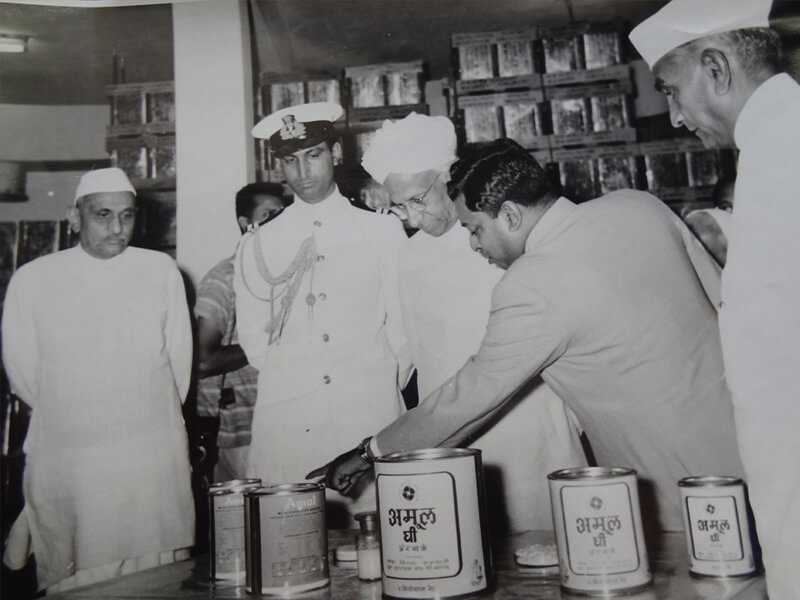
By the 1960s, food shortages had exposed just how fragile India’s self-sufficiency was. The response was a full-scale agricultural technology push: high-yielding wheat and rice varieties, expanded irrigation, fertilisers, and mechanised farming. Around the same time, the White Revolution used cooperative dairy models and better veterinary science to transform milk production.
This is an underrated entry in India’s tech story because it proves something important: some of the country’s biggest technological wins weren’t about invention, but about adaptation — taking existing science and localising it for Indian soil, climate and scale.
3. Going Nuclear and Going to Space (1969–1975)
Two institutions founded in this era would go on to define India’s scientific identity for the next 50 years.
- India’s nuclear programme matured through the 1960s and 70s, culminating in the 1974 Pokhran test — a clear signal of the country’s strategic and scientific capability.
- The Indian Space Research Organisation (ISRO) was founded in 1969, and by 1975 India had launched its first satellite, Aryabhata.
Space technology didn’t stay confined to prestige missions for long — it quickly found its way into weather forecasting, educational broadcasting, and remote sensing for agriculture and disaster management. ISRO’s early identity as an agency doing serious work on modest budgets — what some call “frugal excellence” — was set here, and it’s a trait that still defines Indian space missions today.
4. The Electronics and Telecom Push (1980s)
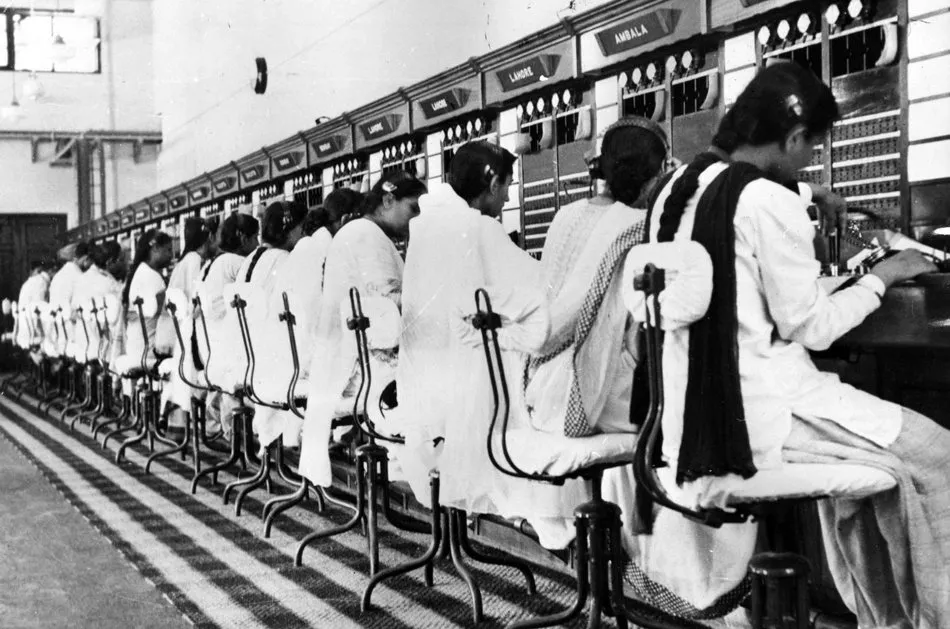
If the 1970s were about big public-sector science, the 1980s were about wiring the country up. Indigenous computing and electronics development accelerated, satellite communications expanded, and public-sector telecom infrastructure — rural exchanges, digital switching — began quietly connecting parts of India that had never had a working telephone line.
This decade also saw the beginnings of Indian biotechnology, including indigenous DNA fingerprinting capability developed by Indian scientists in the late 1980s.
The telecom groundwork laid here is the reason India could leapfrog straight to mobile phones a decade later, skipping the expensive fixed-line-for-everyone stage that many developed economies went through.
5. Liberalisation Meets the Internet — India Becomes the World’s Back Office (1990s)
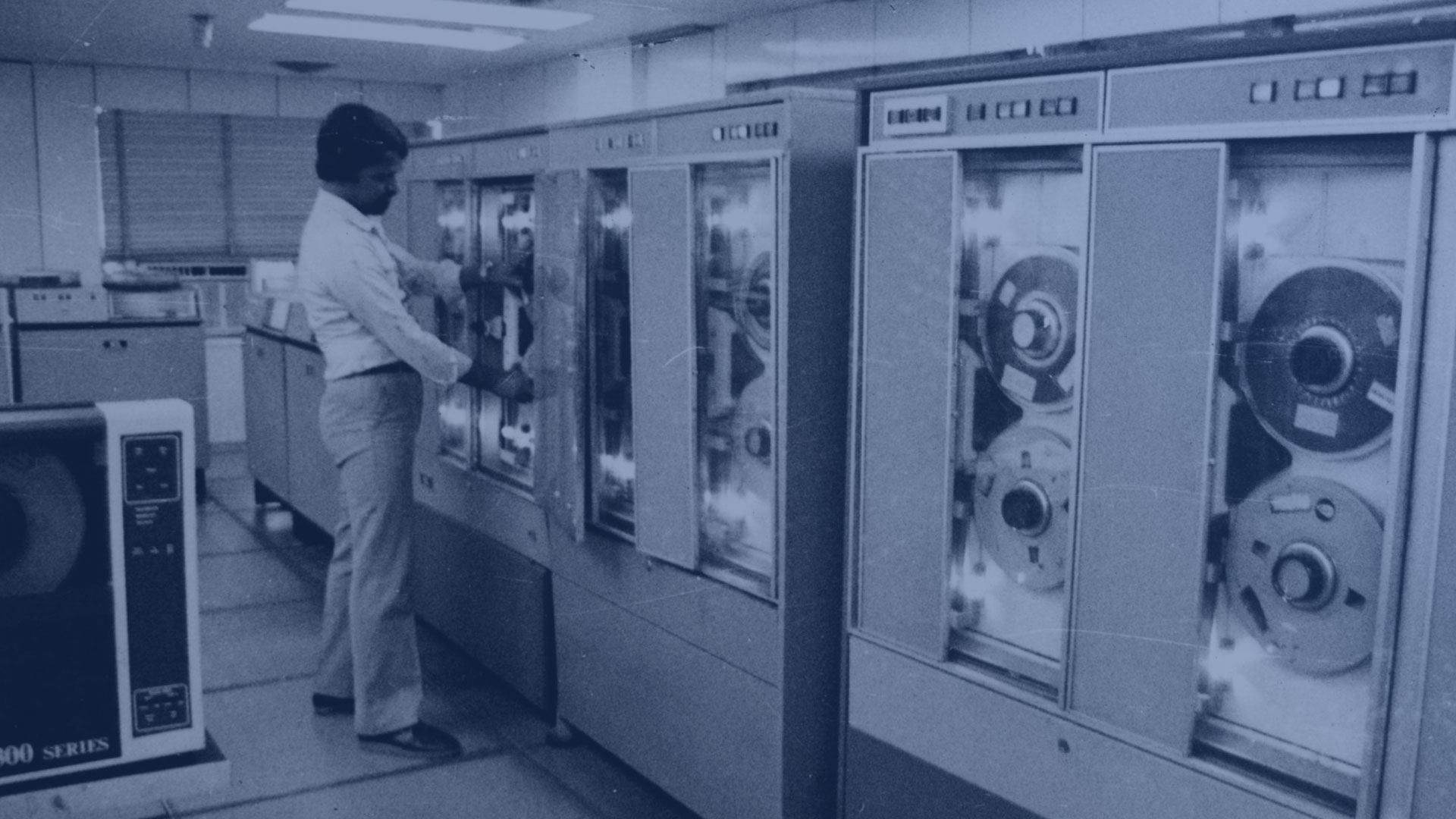
Economic liberalisation in 1991 landed at almost the exact moment the world’s computing and software industries were exploding. India didn’t have cheap semiconductors or advanced hardware manufacturing — but it had a very large pool of English-speaking, technically trained engineers who cost a fraction of their Western counterparts.
That combination created the IT and BPO boom: companies like TCS, Infosys and Wipro scaled into global giants, and cities like Bengaluru, Hyderabad, Pune and Chennai became international delivery hubs. The scale of the shift is staggering — India’s IT and IT-enabled-services sector reportedly grew from roughly $100 million in 1990 to over $5.7 billion by 2000. The Y2K crisis further cemented India’s reputation as a dependable global software partner.
6. Mobile Phones and the First Digital Identity Layer (2000s)
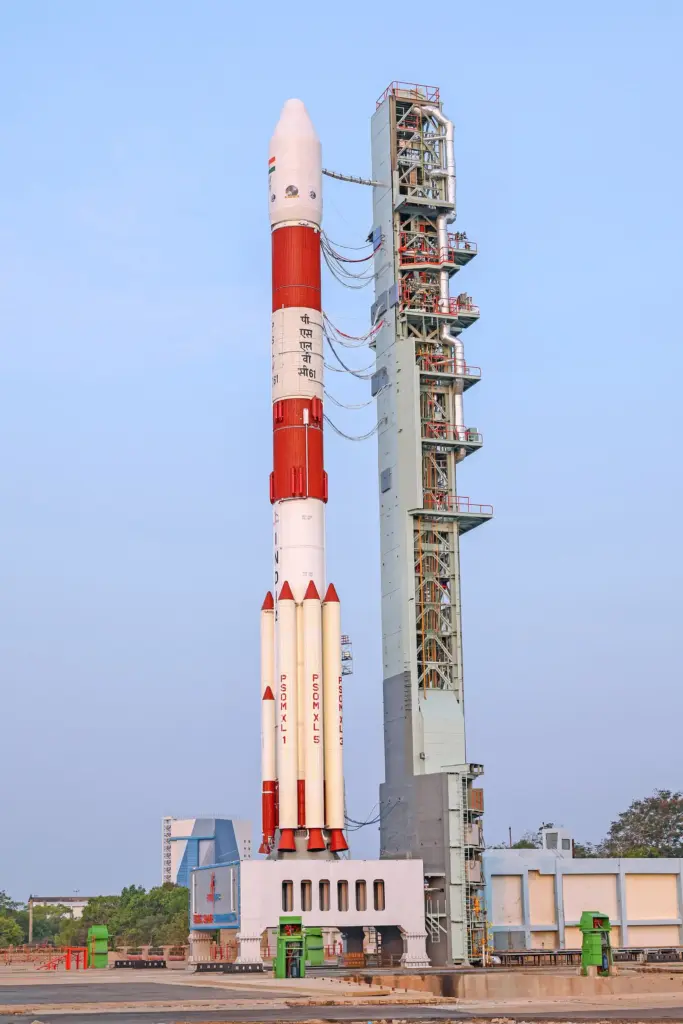
India went from a chronic telephone shortage to one of the largest mobile markets on the planet within a single decade. Alongside this, science kept moving on other fronts:
- ISRO’s PSLV became a genuinely dependable satellite-launch workhorse.
- Chandrayaan-1 launched in 2008 and delivered one of the most significant scientific findings of the era — evidence of water molecules on the Moon.
- Indian pharmaceutical companies scaled up as major global producers of affordable generic medicines.
- The groundwork for what would become Aadhaar — a digital identity system for over a billion residents — was laid.
This decade is the quiet hinge point between “India connects its people” and “India starts governing digitally.”
7. Mangalyaan — Reaching Mars on a Shoestring Budget (2014)
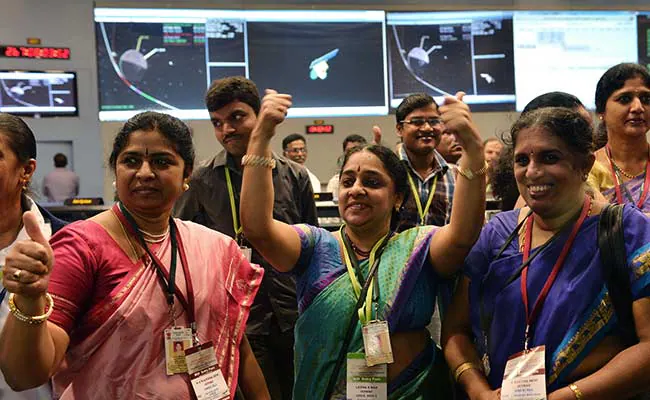
In 2014, India’s Mars Orbiter Mission entered orbit around Mars — on the very first attempt, and at a fraction of the cost of comparable missions by other space agencies. It was proof that India’s “frugal excellence” approach to engineering could compete on the biggest interplanetary stage, not just in low-earth orbit.
Chandrayaan-2 followed later in the decade, and although its lander didn’t achieve a soft landing, the mission still advanced India’s lunar science and navigation capability — setting up the next entry on this list.
8. JAM and the Rise of Digital Public Infrastructure (2010s)
This is arguably India’s most original technological contribution to the world — not a single invention, but a system. The “JAM” trinity — Jan Dhan (bank accounts), Aadhaar (digital identity) and Mobile (connectivity) — created the plumbing for direct, corruption-resistant delivery of subsidies, welfare payments and public services at a scale no other country has attempted.
On top of JAM, India built out large digital platforms for tax filing, passport services, government procurement, vaccination registration, and public service delivery generally — turning bureaucracy that once took weeks into processes that take minutes.
9. UPI — Digital Payments for Everyone, Not Just the Elite (2016 onward)
The Unified Payments Interface (UPI) deserves its own entry because of the sheer scale it now operates at. NPCI data shows UPI processed 23.66 billion transactions worth roughly ₹29.88 lakh crore in July 2026 alone.
What makes UPI remarkable isn’t just the transaction volume — it’s who uses it. Street vendors, small kirana stores, auto-rickshaw drivers and rural households transact digitally through UPI just as easily as large corporations do. Few countries have made digital payments this accessible to their poorest and least tech-savvy citizens.
10. Pandemic-Era Health Tech (2020–2022)
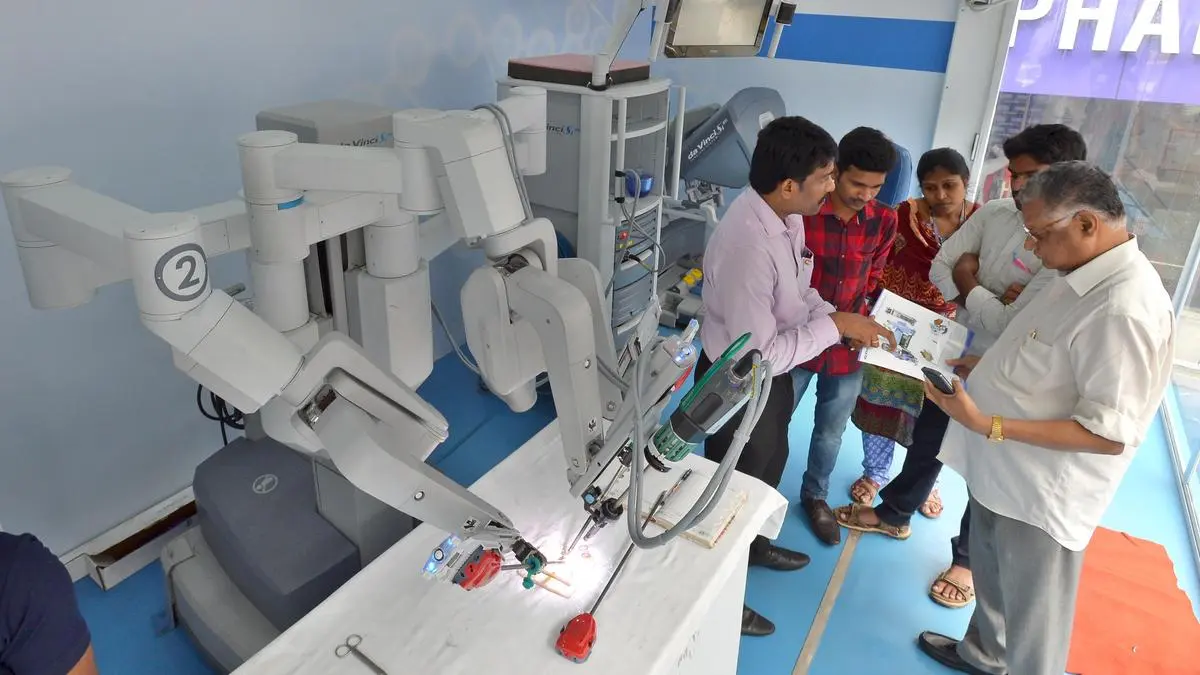
COVID-19 became an unplanned stress test of India’s technological maturity — and largely, the systems held up. CoWIN, built to manage vaccination registration and certification at population scale, handled hundreds of millions of bookings and certificates. Alongside it, India scaled up genomic surveillance, diagnostic testing, telemedicine and digital health records, while accelerating the shift to online education, commerce and remote work across the economy.
11. Chandrayaan-3 — Where No One Else Has Landed (23 August 2023)
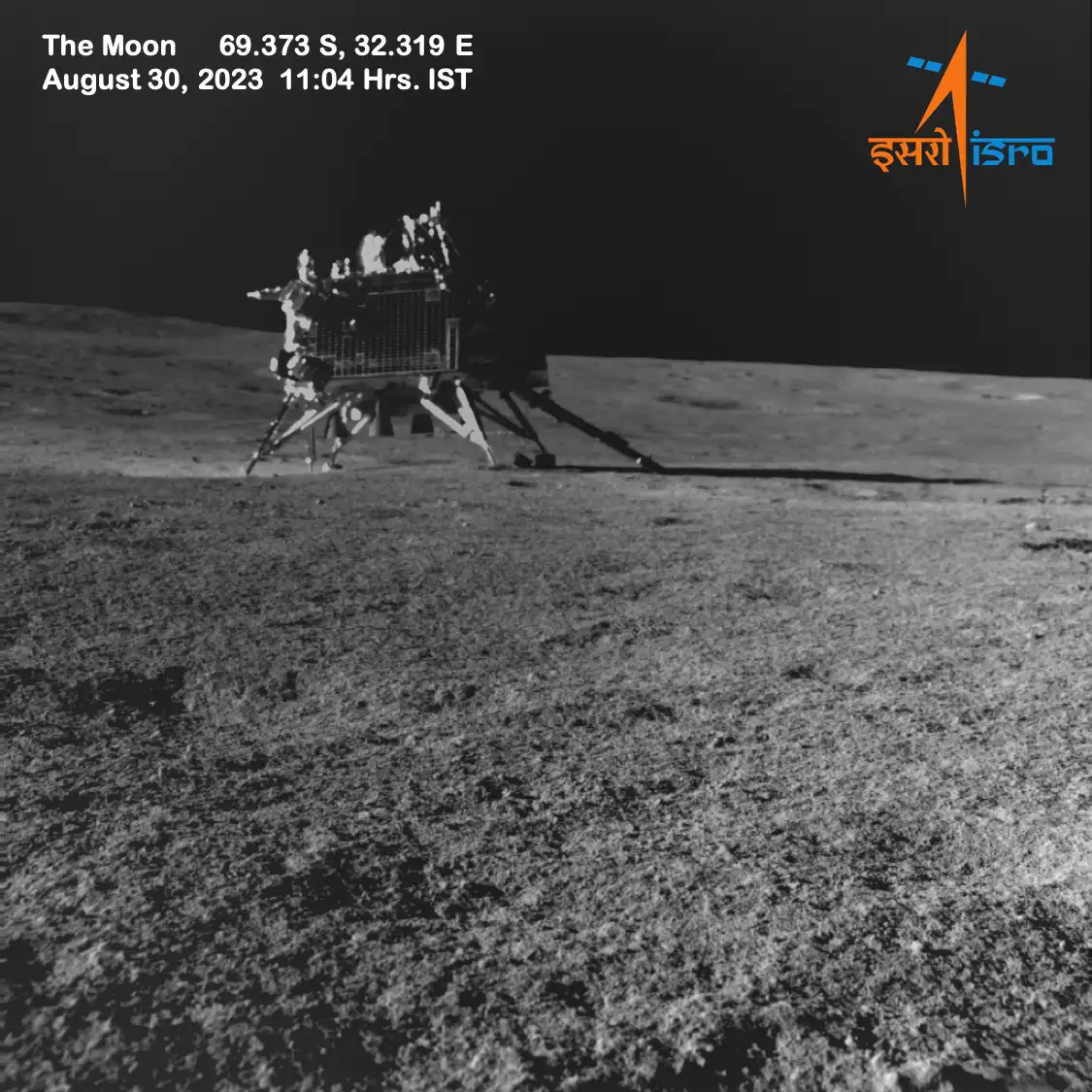
If Mangalyaan was about doing more with less, Chandrayaan-3 was about doing what no one else had done at all. On 23 August 2023, the Vikram lander achieved a soft landing near the Moon’s south polar region, deploying the Pragyan rover shortly after. India became the first country to land in this specific lunar region, and only the fourth country ever to achieve a soft lunar landing.
The mission mattered beyond the headlines — it validated India’s autonomous navigation and precision-landing engineering, strengthened confidence in the domestic space industry, and encouraged a wave of private-sector interest in India’s space sector.
12. The Next Frontier — Chips, AI and Manufacturing (2020–2026)
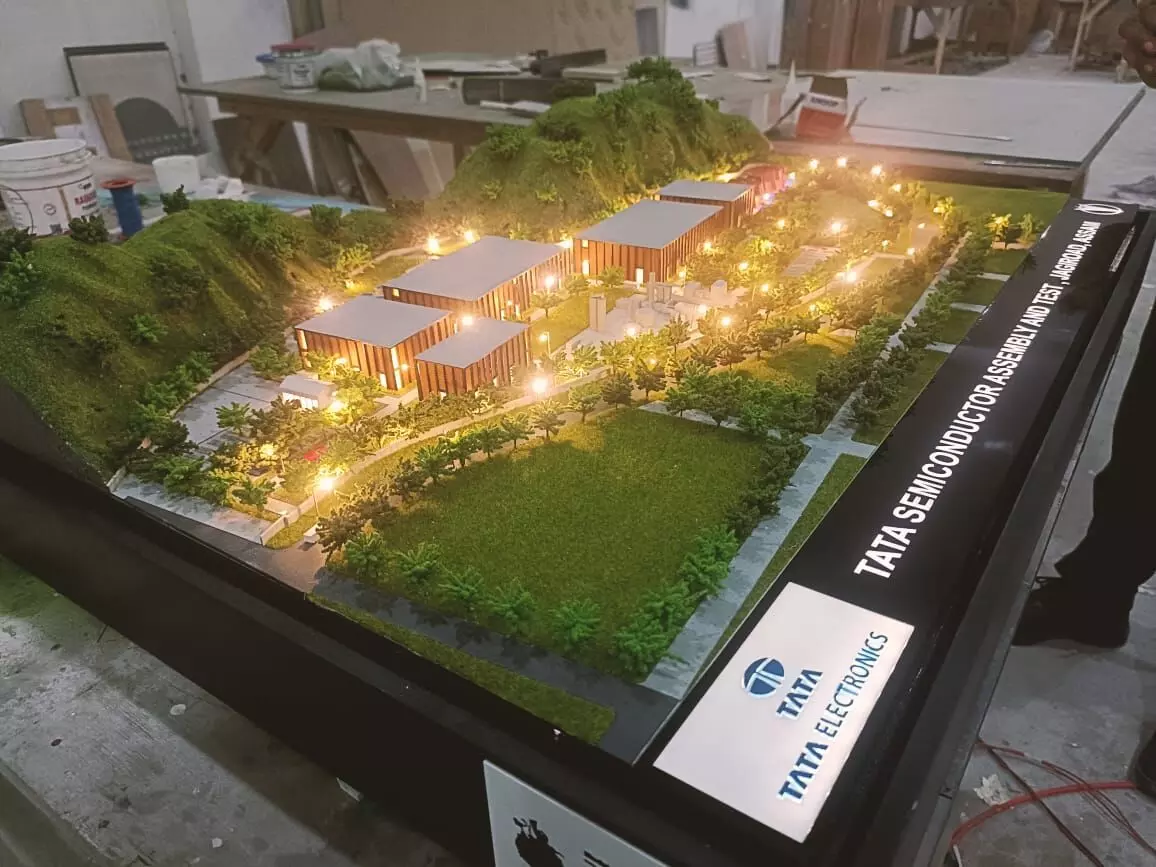
India’s current technology priorities mark a genuine shift in ambition — from being primarily a services and software economy to building deeper manufacturing and strategic capability. The current push spans semiconductor fabrication and packaging, electronics manufacturing, 5G equipment, AI and computing infrastructure, drones, quantum technology, cybersecurity, EVs and battery systems, green hydrogen, and defence and space-based services.
Semiconductors, in particular, carry outsized strategic weight — modern economies run on chips, from phones and vehicles to medical equipment and defence systems, and reducing import dependence here is as much a security question as an economic one.
India didn’t become technologically self-reliant in 77 years — but it became technologically consequential. It went from importing almost everything to exporting software, medicines, payment systems and now, occasionally, landing on the Moon before anyone else gets there. The real test ahead isn’t another headline mission — it’s whether this technological power finally produces better jobs, sharper education, and more original science for the next generation.