

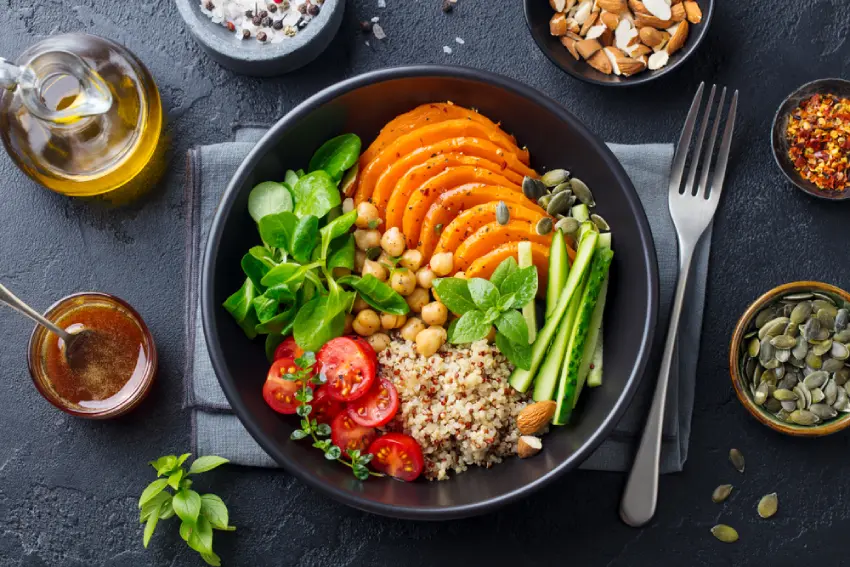
Oil is extracted from various seeds. Since it is predominantly extracted from sesame seeds, it is called Taila (oil). The principal property of oil is that it alleviates Vata. Ayurveda describes the medicinal uses of oils obtained from numerous seeds, and also mentions their extensive use in food. The chapter in which the Acharyas have described the properties of different oils is known as Tailavarga (the group/classification of oils).
There are four types of Sneha (unctuous substances): Ghrita (ghee), Taila (oil), Meda (animal fat), and Majja (marrow). Among these, Taila is plant-derived, while the other three are derived from animals.
Stay Connected · Headline8
Get breaking news instantly — follow our official channels
Different types of oils with different properties are obtained from various oilseeds. Some important oilseeds are:
Sesame — Sesamum indicum
Castor — Ricinus communis
Mustard — Brassica campestris
Indian mustard — Brassica juncea
Flaxseed — Linum usitatissimum
Danti — Baliospermum montanum
Karanja — Pongamia pinnata
Neem — Azadirachta indica
Coconut — Cocos nucifera
In addition, oil is extracted from numerous seeds such as drumstick, Sarala, Devadaru, Aguru, Shishu, Chaulmoogra, Haritaki, Mahua, pumpkin, walnut, etc., mainly for medicinal purposes. However, for food preparation, mustard oil and sesame oil are mentioned particularly frequently.
In some contexts, when only the word “oil” is mentioned for medicinal or culinary purposes, Ayurvedic tradition recommends using sesame oil. Interestingly, however, ghee is mentioned much more frequently than oil in connection with food preparation.
Here, we will discuss only the properties of the oils used as food.
Sesame oil is penetrating, sharp, subtle, anthelmintic, and Ushna Virya (having a heating potency). Sesame oil is considered harmful to the skin and eyes. However, this oil has an interesting property. According to Ayurveda, sesame oil makes thin people stronger and leaner people who are overweight.
Mustard oil is commonly called Mitha Tel in Assamese, whereas in Ayurveda it is known as Katu Taila. It has a pungent taste (Katu Rasa), heating potency (Ushna Virya), and a sharp nature. It alleviates Kapha and Vata disorders and is also said to cause depletion of Shukra. It is considered beneficial in conditions such as Kushta (skin disorders), Arsha (haemorrhoids), and other skin diseases.
Flaxseed oil is considered Kapha-aggravating, heating in potency, and capable of aggravating Pitta disorders. In modern times, this oil and its seeds are regarded as highly beneficial for the body. Because they contain omega-3 fatty acids, roasted flaxseeds or powdered flaxseeds are consumed as a dietary supplement. Flaxseed has become very popular in the modern market.
However, Ayurveda presents a different view. According to Ayurvedic understanding, consumption of flaxseed may increase Kapha, promote obesity, and make the body sluggish. Hence, one of its other names is Alasi.
In modern times, there are many conflicting views regarding the consumption of fats and oils as food. A few decades ago, oil was considered almost entirely responsible for heart disease. Since atherosclerotic plaques in the coronary arteries were believed to be caused by cholesterol, people were advised to reduce the use of oil in their diet to prevent heart disease. Both animal fats and plant-derived oils were held responsible for increasing cholesterol levels in the body.
However, there is no guarantee that completely eliminating oil from the diet will provide 100% protection against heart disease. It is commonly stated that about 80% of the body’s cholesterol is produced within the body itself, while only about 20% comes from dietary sources.
According to one group of medical scientists, since the body itself produces cholesterol, the oil consumed with food has only a limited effect. Another group argues that since the body itself produces cholesterol, even the consumption of small amounts of dietary oil may increase cholesterol and contribute to heart disease. Modern dietary science and medical science contain numerous apparently contradictory findings and opinions on this subject.
Ayurveda does not support either of these views in their entirety. According to Ayurveda, oil alleviates Vata and helps maintain the body in a healthy state. Therefore, it is important to understand its proper and appropriate use.
In this context, I would also like to mention the current practice in India of blending ethanol produced from sugarcane with petrol. Just as ethanol-blended fuel may adversely affect petrol-powered engines, with the possibility of greater adverse effects as the proportion increases, similarly, in the case of the human body’s “engine”—the heart—it may be argued that sugar produced from sugarcane is more responsible than oil for causing deterioration of cardiovascular health.
Many scientists today believe that the rapid, almost geometric increase in the use of sugar in food compared with previous decades is one of the factors contributing to heart disease. This is because the body converts excess sugar into fat and stores it in the body. Excessive consumption of refined sugars is particularly harmful to the body.
Therefore, the rational and appropriate use of oil in the diet can be beneficial and may be considered Pathya (wholesome and suitable as part of a therapeutic diet).